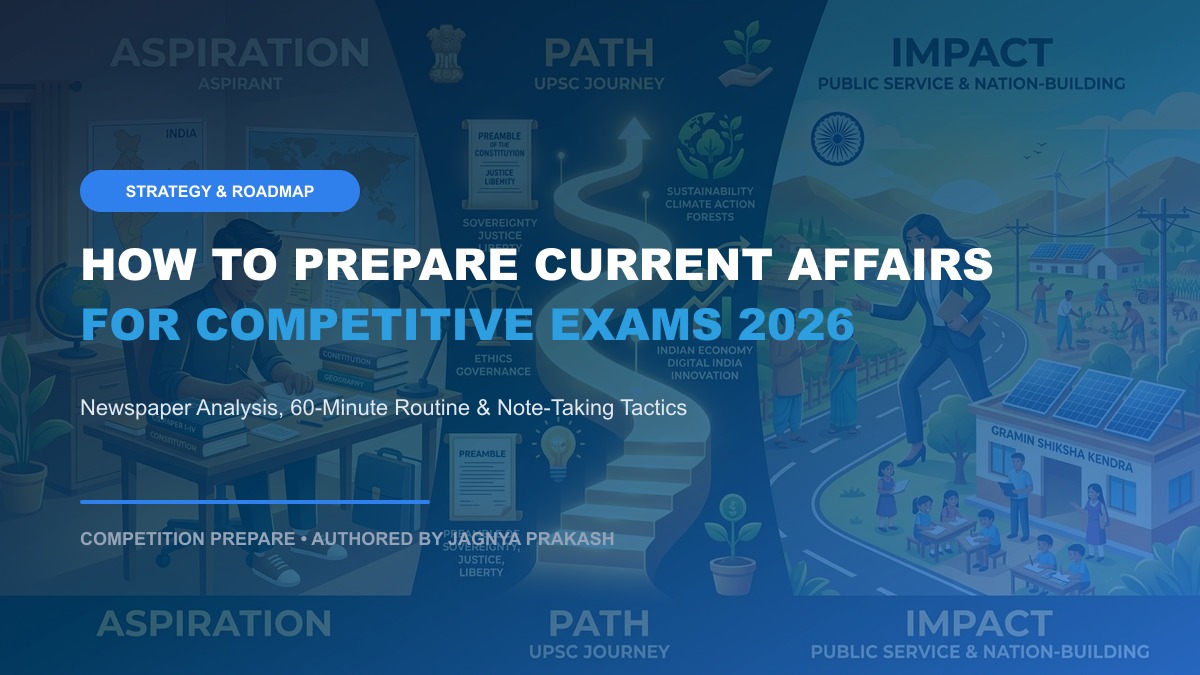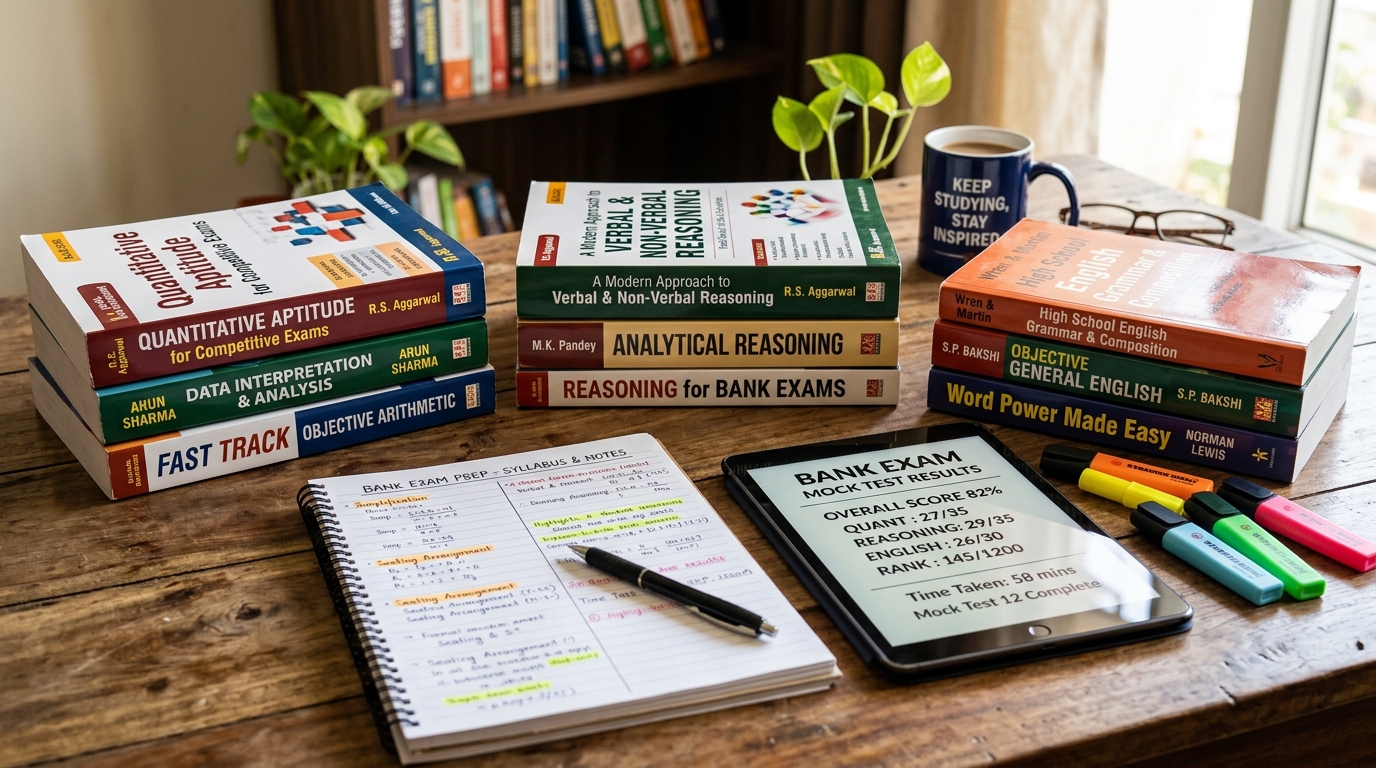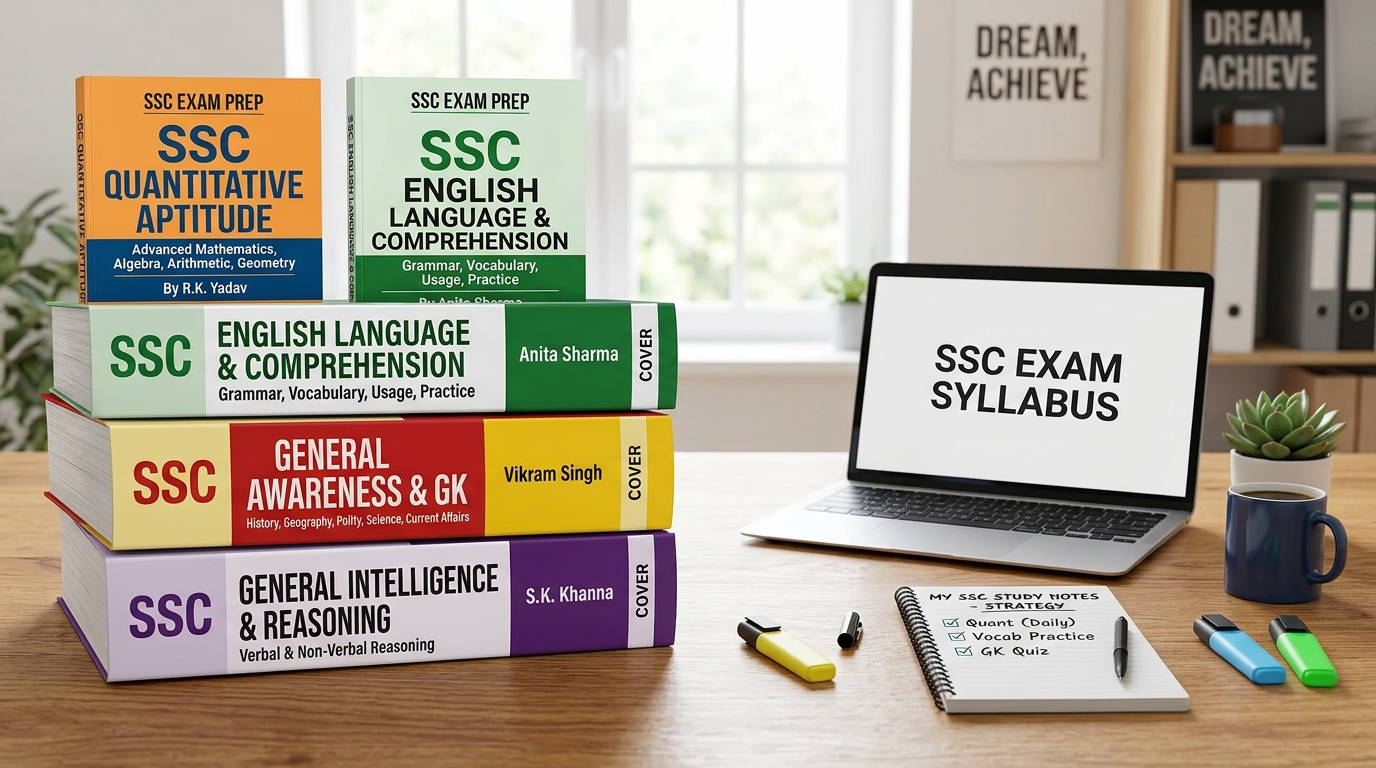
Many students mistakenly believe that to get high-quality current affairs notes, they must purchase expensive coaching subscriptions or monthly magazine bundles costing thousands of rupees.
The reality is that the examiners who set question papers for UPSC, Banking, SSC, and State PSCs do not read private coaching notes—they rely directly on official Government of India portals, statistical bureaus, and verified public databases.
Every single government scheme, treaty, constitutional bill, and economic metric is available 100% free of cost directly from the primary source.
Here is the definitive, curated list of the most authoritative free sources for current affairs that every serious competitive exam student must bookmark.
1. Quick Master Table: Top Free Current Affairs Portals
| Portal / Resource | URL & Official Source | Best For | What to Read |
|---|---|---|---|
| Press Information Bureau (PIB) | pib.gov.in | UPSC, State PSC, SSC | Cabinet decisions, PM speeches, Ministry releases |
| PRS Legislative Research | prsindia.org | UPSC CSE & State PSCs | Bill summaries, Parliamentary standing committee reports |
| Yojana & Kurukshetra | publicationsdivision.nic.in | UPSC & State PSC Mains | Socio-economic essays, rural development & agriculture |
| Reserve Bank of India (RBI) | rbi.org.in | Banking Exams (SBI/IBPS) | Monetary policy statements, regulatory circulars, notifications |
| Sansad TV (Perspective) | sansadtv.nic.in | UPSC Mains & Interviews | Neutral panel discussions by domain experts & diplomats |
| All India Radio (AIR News) | newsonair.gov.in | All Competitive Exams | Daily news bulletins & 15-minute "Spotlight" audio discussions |
| NITI Aayog Portal | niti.gov.in | UPSC, State PSC, Banking | Aspirational districts index, health & SDG state rankings |
| Down To Earth | downtoearth.org.in | UPSC Prelims & Mains | Environmental ecology, wildlife conservation & climate science |
2. In-Depth Guide to the Top Primary Sources
1. Press Information Bureau (PIB) – pib.gov.in
- Why It’s Indispensable: PIB is the nodal agency of the Government of India to disseminate information to the media on all government policies, schemes, decisions, and achievements.
- How Students Should Use It:
- Check the "Cabinet Decisions" section weekly. Whenever the Union Cabinet approves a new infrastructure initiative or welfare scheme, PIB publishes the official outlay, beneficiary criteria, and ministry in charge.
- Look out for Ministry of Environment, Forest and Climate Change (MoEFCC) and Ministry of Science and Technology releases.
2. PRS Legislative Research – prsindia.org
- The Best Resource for Indian Polity: Reading a 150-page legal draft of a new parliamentary bill is impossible for students. PRS publishes concise 2-to-4 page Bill Summaries explaining the background, key clauses, and constitutional objections raised by opposition or legal experts.
- Must-Read Section: Monthly Policy Review (MPR), which consolidates all legislative actions taken across both houses of Parliament in one free downloadable PDF.
3. Yojana & Kurukshetra Magazines
- Published by: Publications Division, Ministry of Information & Broadcasting.
- Why It Matters for Mains: Each issue is dedicated to a single thematic topic (e.g., Green Energy, Digital Public Infrastructure, Tribal Empowerment, Water Security). The articles are written by Cabinet ministers, NITI Aayog advisors, and university chancellors, providing ready-made arguments and authentic government statistics for Essay and GS papers.
4. Reserve Bank of India (RBI) Official Website – rbi.org.in
- Crucial for Banking (SBI PO, IBPS, RBI Grade B):
- Read the Bi-Monthly Monetary Policy Committee (MPC) Statement to understand changes in Repo Rate, Standing Deposit Facility (SDF), and Marginal Standing Facility (MSF).
- Understand definitions under the "FAQs" section on RTGS, NEFT, UPI, Digital Rupee (CBDC), and Prompt Corrective Action (PCA) framework.
5. Sansad TV: Debates & Discussions
- YouTube & Web Portal: Sansad TV produces balanced, academic-level programs:
- "Perspective" (English): 25-minute panel discussion with former ambassadors, retired judges, and sector specialists on burning geopolitical and constitutional issues.
- "Mudda Aapka" (Hindi): In-depth Hindi analysis of national economic and political questions.
- Pro Tip: Listen to Sansad TV discussions at 1.25x speed while taking brief bullet notes on arguments for and against the topic.
6. All India Radio (AIR News) – newsonair.gov.in
- Audio Learning on the Go: For commuting or morning walks, AIR produces the gold standard in audio broadcasting:
- Daily Morning & Evening Samachar (15 Mins): Free from noisy sensationalism, delivering strictly verified national developments.
- "Spotlight" / "Current Affairs" (15 Mins daily at 09:15 PM): Senior journalists and economists dissect a single current topic.
3. Which Free Source to Prioritize Based on Your Target Exam?
┌─────────────────────────────────────────────────────────────┐
│              RESOURCE PRIORITY BY TARGET EXAM               │
├───────────────────┬─────────────────────────────────────────┤
│ UPSC Civil Serv.  │ PIB + PRS + Sansad TV + Yojana          │
│ Banking (SBI/IBPS)│ RBI Website + PIB (Finance) + AIR News  │
│ SSC (CGL / CHSL)  │ PIB (Appointments/Schemes) + Sports Desk│
│ State PSC (OAS/BPSC) PIB + State Government Information Dept│
└───────────────────┴─────────────────────────────────────────┘
4. How to Prevent Information Overload
The danger with free internet resources is endless bookmarking and resource hoarding. You do not need to check all 8 portals daily.
The Realistic Weekly Workflow:
- Daily: 1 Newspaper + 15 minutes of PIB summary.
- Weekly (Saturdays): 1 episode of Sansad TV Perspective + PRS legislative updates.
- Monthly (Month-end): 1 theme from Yojana + free monthly current affairs compilation.
Recommended Next Steps:
- Learn the optimal newspaper workflow with our guide on How to Prepare Current Affairs in 60 Minutes.
- Test your retention with our free Current Affairs Mock Tests.
Founder & Chief Educator at Competition Prepare. Dedicated to helping competitive exam aspirants crack UPSC CSE, NEET UG, Banking, SSC, Railway & OPSC with structured roadmaps, high-yield study notes, and proven exam strategies.
Discussion & Aspirant Comments
0Have a question, study tip, or doubt regarding this article? Share your thoughts below.