UPSC Preparation Made Simple, Structured & Free

Prepare for the UPSC Civil Services Examination with structured study resources, syllabus-based preparation, mock tests, previous year questions, current affairs and practical preparation guidance.
Built for UPSC aspirants • Practice • Learn • Improve
UPSC Syllabus 2026: Complete Prelims & Mains Syllabus Guide
Check out the newly published subject-wise syllabus roadmap, paper pattern, marking schemes, optional subjects, and preparation strategies.
UPSC Civil Services Examination
The UPSC Civil Services Examination is one of India's most competitive examinations. A clear understanding of the exam structure, syllabus, subjects and preparation strategy is essential for effective preparation.
NCERT Basic
Class 6–12 Precision Notes
Conducting Body
Union Public Service Commission
Exam
Civil Services Examination
Stages
Prelims • Mains • Interview
Preparation
Concepts • Practice • Revision
Recent UPSC Blogs & Strategy Guides
In-depth syllabus breakdowns, topper booklists, working professional routines, and actionable Civil Services preparation strategies.
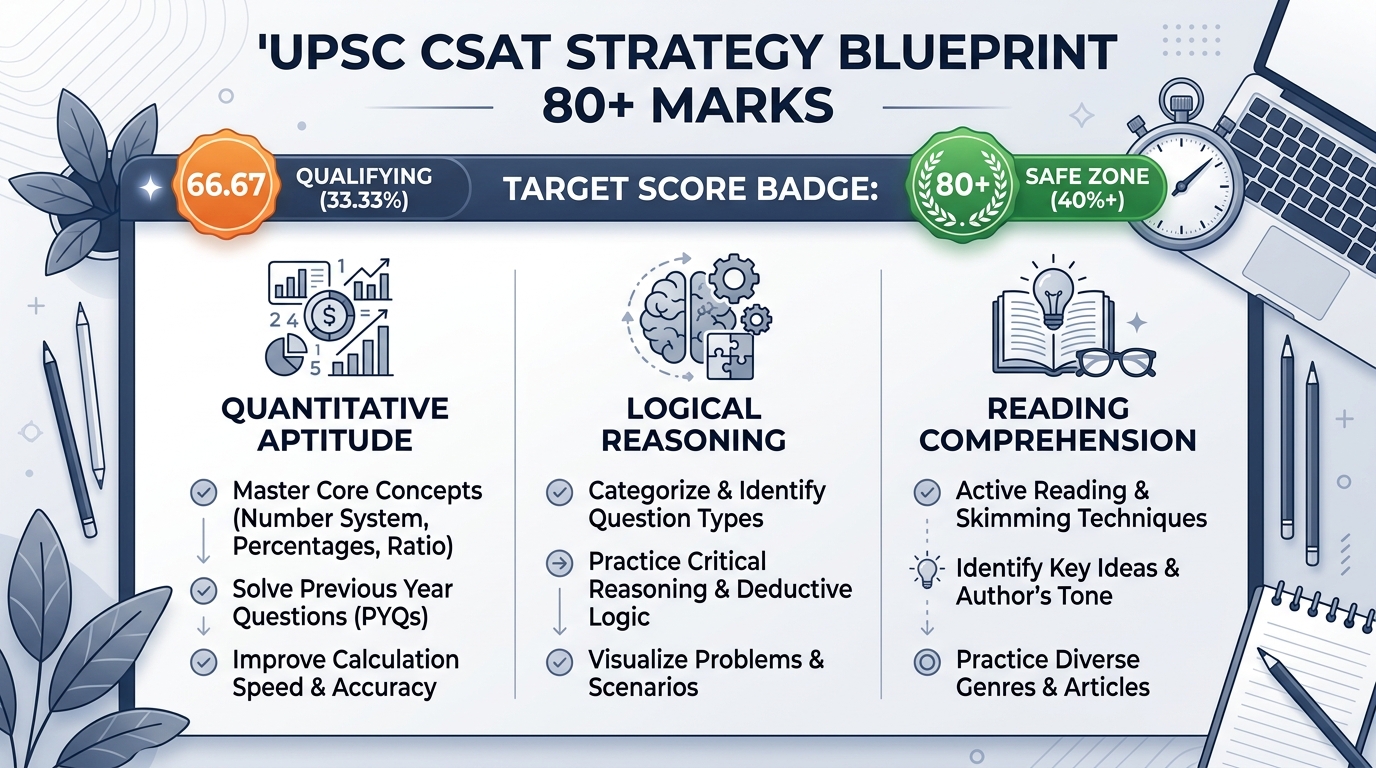
UPSC CSAT Strategy: How to Score 80+ in Paper 2 (Maths, Reasoning & Comprehension)
Master UPSC CSAT Paper 2 without fear. Learn the 80+ score roadmap with topic-wise weightage for Number System, Logical Reasoning, Reading Comprehension, and 2-hour exam strategy.
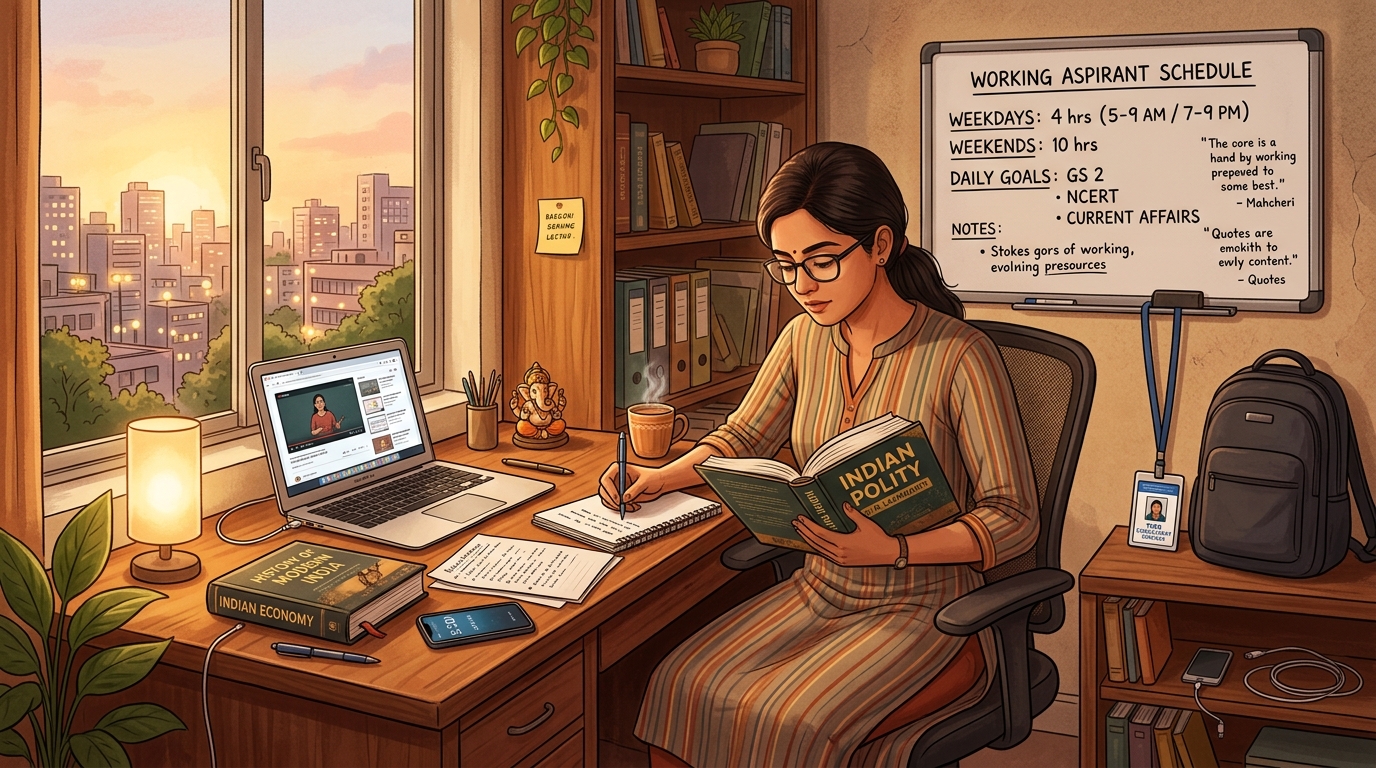
How to Prepare for UPSC as a Working Professional: Daily Study Routine, Timetable & Strategy
Master UPSC preparation with a full-time job. Proven 4-hour weekday & 10-hour weekend routine, syllabus prioritization, optional selection, leave management, and topper study tips.
Common Challenges General Students Face in UPSC Preparation (and How to Overcome Them)
Can an average student crack UPSC? Discover the 8 biggest challenges general students face during UPSC preparation—from syllabus overwhelm to self-doubt—and actionable topper strategies to overcome them.
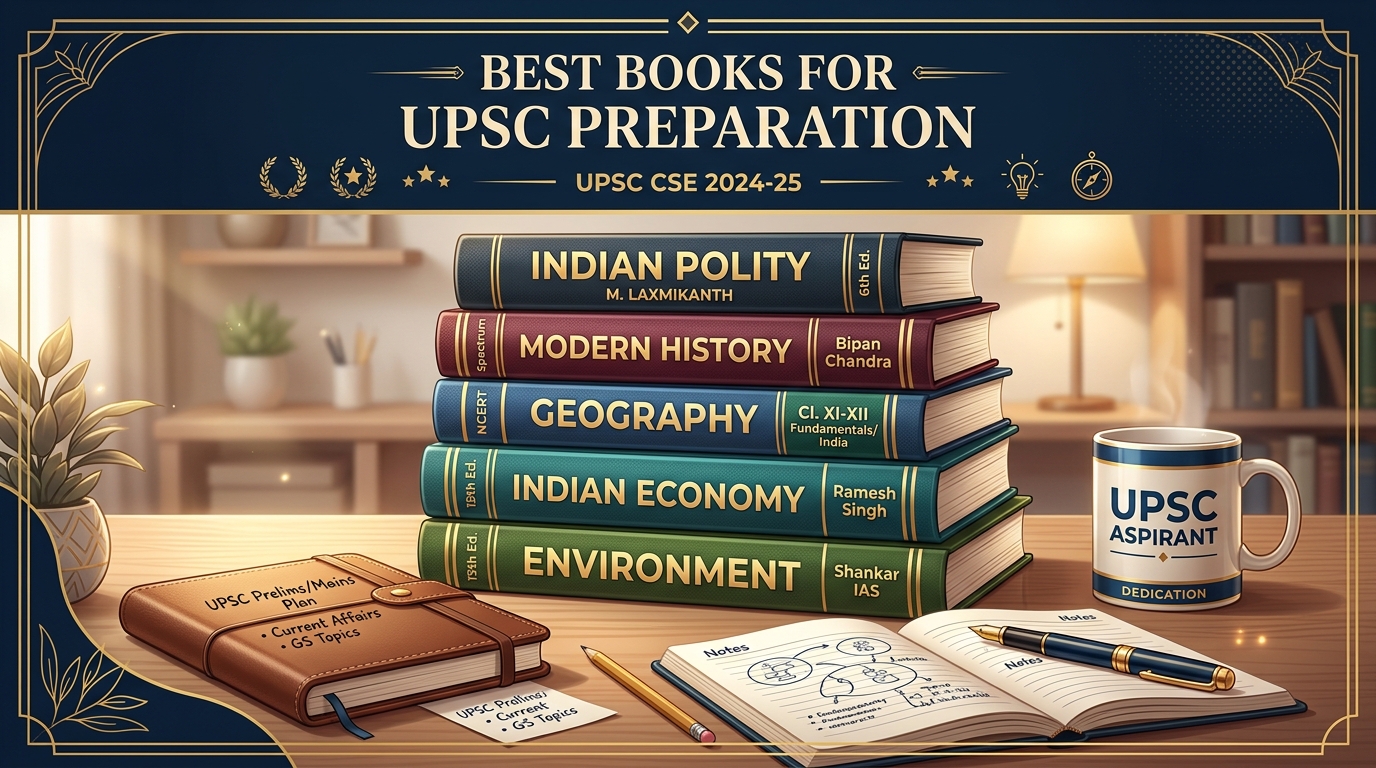
Best Books for UPSC Preparation: Complete Subject-Wise Booklist
Discover the best books for UPSC CSE 2026-27 preparation. Complete subject-wise booklist for Prelims and Mains including NCERTs, standard books, and study tips.
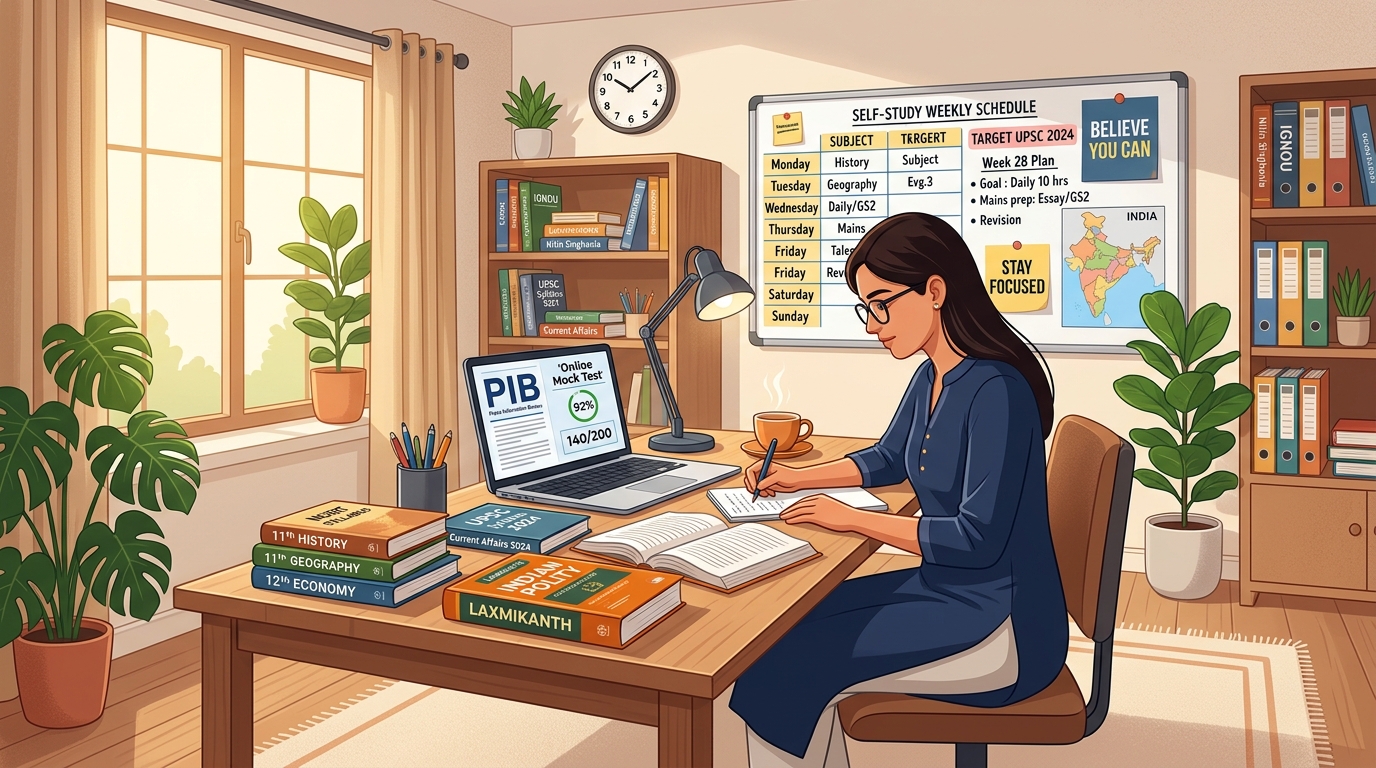
How to Prepare for UPSC Without Coaching: Complete Self-Study Roadmap
Can you clear UPSC without coaching? Absolutely. Discover a complete self-study roadmap, free resources, daily timetable, optional selection, and revision strategy.
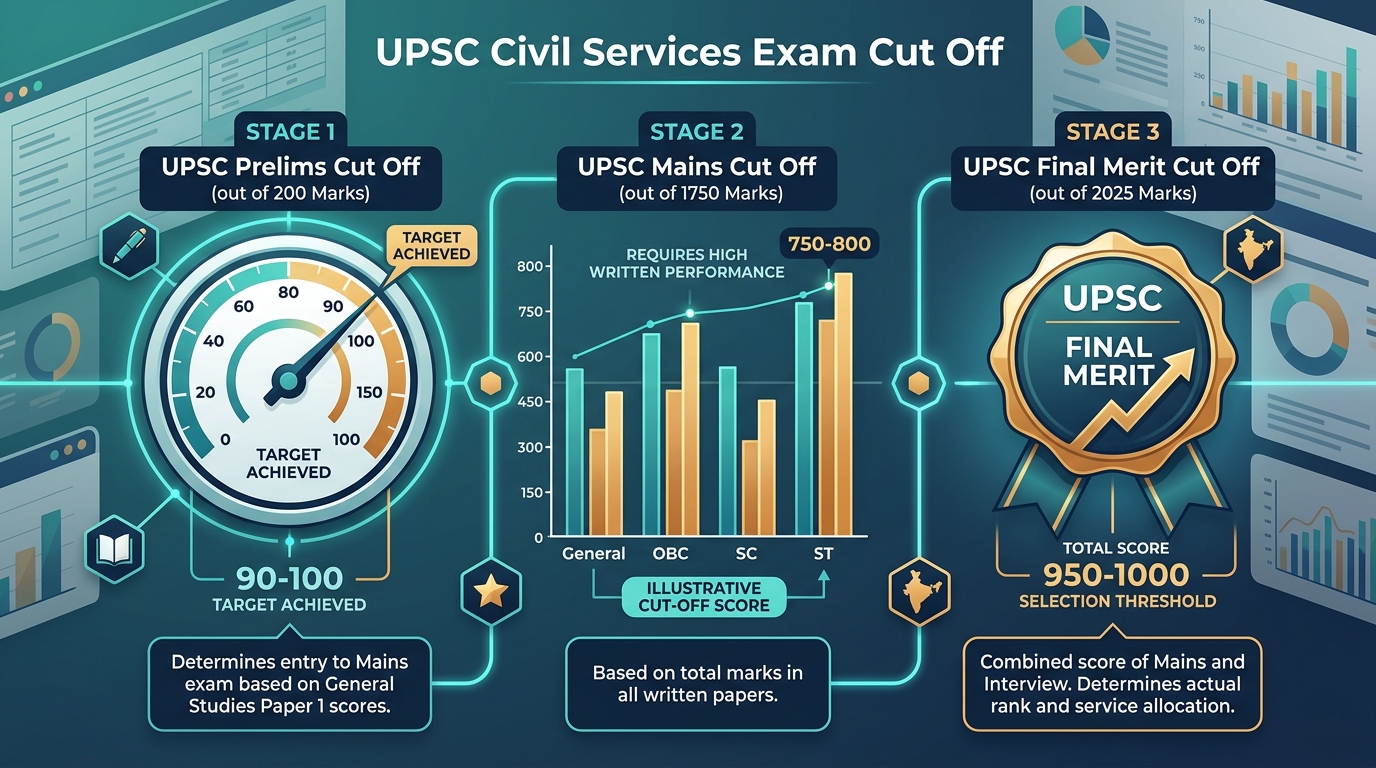
UPSC Cut Off: Year-Wise Prelims, Mains & Final Cut Off Trends
Check the official UPSC Cut Off trends for Prelims, Mains, and Final Interview. Category-wise cutoff analysis for General, EWS, OBC, SC, ST and safe score targets.
UPSC Syllabus
Understand what to study before you start preparing.
UPSC Prelims
- General Studies
- Indian History
- Geography
- Indian Polity
- Economy
- Environment & Ecology
- Science & Technology
- Current Affairs
CSAT
- Comprehension
- Logical Reasoning
- Analytical Ability
- Basic Numeracy
- Data Interpretation
- Decision Making
UPSC Mains
- Essay
- General Studies I
- General Studies II
- General Studies III
- General Studies IV
- Optional Subject
- Qualifying Language Papers
Free UPSC Study Resources
Build your preparation from reliable, organized and easy-to-revise study material.
Smart UPSC Preparation Tips
Evidence-based benchmarks, daily metrics, and actionable techniques to maximize your Prelims & Mains scores.
Start with the Syllabus
Deconstruct the official GS1–GS4 syllabus into core themes. Over 70% of Mains questions directly reflect official syllabus phrasing.
Understand the PYQ Pattern
Analyze recurring conceptual patterns in Polity, Modern History, and Ecology. 35–40 Prelims marks stem from recurring themes.
Make Short Revision Notes
Condense heavy standard reference books into high-yield comparative tables, landmark Supreme Court rulings, and constitutional articles.
Revise Regularly (1-7-30 Rule)
Apply spaced repetition: review within 24 hours, day 7, and day 30 to prevent cognitive memory decay before the exam.
Practice Daily Subject MCQs
Practice negative marking (-0.66) risk management. Target ≥75% net accuracy to safely cross the Prelims cutoff (85–95 marks).
Improve Mains Answer Writing
Master the Introduction-Body-Conclusion structure with 3+ subheadings, flowcharts, and relevant government committees data.
Follow Current Affairs Daily
Read one national daily (The Hindu / Indian Express) and monthly compilations. Correlate dynamic events to static GS syllabus papers.
Take Timed Full Mock Tests
Simulate exact exam hall timings to build biological focus, stamina, and avoid negative marking trap traps under strict time constraints.
UPSC Age Limit, Attempts & Eligibility Criteria
Accurate criteria as per the official UPSC Civil Services Examination notification (calculated as of 1st August of the examination year).
Born between 2nd Aug 1994 and 1st Aug 2005 (for 2026 cycle).
3-Year age relaxation over general category limit.
5-Year relaxation; unlimited attempts until age 37.
10-Year relaxation (Unlimited attempts for SC/ST PwBD).
Explore UPSC Preparation Resources
Direct links to official syllabi, exam pattern, notes, mock tests, and eligibility tools.
Frequently Asked Questions About UPSC
What is the UPSC Civil Services Examination?
What are the stages of the UPSC examination?
What is the UPSC Prelims examination?
What is the UPSC Mains examination?
What is CSAT in UPSC?
How should beginners start UPSC preparation?
What subjects should I study for UPSC?
Are UPSC mock tests useful?
Why are UPSC previous year questions important?
How should I prepare current affairs for UPSC?
How can I improve my UPSC answer writing?
Where can I find UPSC study resources?
Start Your UPSC Preparation Today
Build a structured study routine, practice regularly and prepare with the right resources — all in one place.